Small Pegs, Soft Voices: A Whisper-Friendly Story Chorus for the Kitchen Table
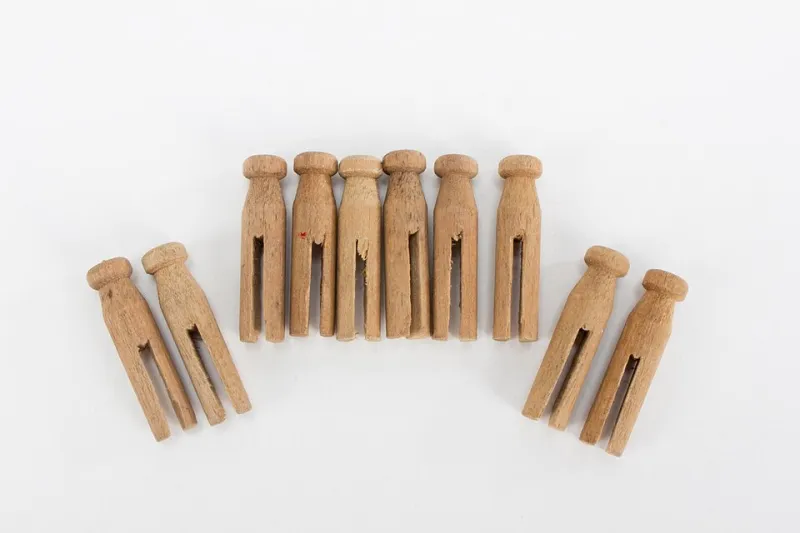
Photo: Unknown authorUnknown author, CC BY 4.0, via Wikimedia Commons
There is a certain kind of child who adores stories but quietly disappears when the words ‘let’s put on a show’ are mentioned. They want to be involved. They want the magic. They are simply not keen on being the only person speaking while everyone looks at them. The peg doll chorus is for exactly those children.
At Little Red Horse, we like a storytelling project that makes room for all sorts of temperaments. This one begins with a small pile of wooden dolly pegs, a few felt tips and a rainy afternoon. By teatime, you can have a tiny company of characters, each with one sound, one line or one small job. Nobody needs a solo. Everybody gets a part. The result is a five-minute family show that feels warm, wobbly and completely doable.
Start with a handful of pegs
You do not need a whole cast of thousands. Four to six pegs is plenty for a first chorus. Traditional wooden dolly pegs work beautifully because their little split legs give them a natural stand on the table. You can also use plain wooden pegs from a craft shop, the sort with a flat base.
Gather a few bits and pieces: felt tips, coloured pencils, scraps of fabric, small stickers, glue dots and a shallow basket or tin. A tea towel makes a fine stage curtain. A cereal box can become a simple backdrop. Keep the making part loose. Some children will want to give every peg a face and a hat. Others will prefer a single coloured dot and a name. Both are correct.
The key is to build the chorus around the story, not around who gets the biggest part. Choose a simple tale shape together: someone goes looking for something, meets a few helpers, finds it, comes home. A Little Red Horse story might involve a missing moon, a sleepy hedgehog, a gate that creaks and a puddle that splashes. You do not need to write it down. A few pictures or symbols on a piece of paper will do.
One peg, one job
This is where the whisper-friendly magic happens. Instead of casting characters who must speak, give every peg a single job. One peg might be the Door Knocker and simply tap the table twice. Another might be the Wind and make a soft whooshing sound. Another might be the Moon and be lifted slowly into the air at the right moment. Another might be the Little Red Horse and whisper ‘clip-clop’ under their breath.
A job can be a sound, a movement, a line or a prop. It can be as small as holding up a paper star. It can be as quiet as breathing out slowly. The child holding that peg is still part of the story. They are not forgotten. They are simply not exposed.
Make small cue cards with a picture for each job. A wavy line for wind. A circle for moon. Two dots for eyes in the dark. The adult or a confident sibling can narrate, pausing at each cue. The peg holder watches for their picture and does their one thing. That is the whole performance. It is gentle, predictable and full of little successes.
Making the chorus together
Set out the pegs and let each child choose one or two. If you have a very quiet child, invite them to be the Peg Keeper or the Cue Card Holder. These are proper jobs, not consolation prizes. The Peg Keeper makes sure every character is in the right place. The Cue Card Holder turns the cards at the right moment. Both roles keep the show moving without asking anyone to speak alone.
Decorate the pegs with a simple colour code. The wind peg could have a pale blue stripe. The moon peg could have a yellow dot. The horse peg might have a tiny red scarf made from a scrap of fabric. Keep the faces simple if faces are wanted at all. A dot for an eye and a small smile is enough. The story lives in the doing, not in the decoration.
When the cast is ready, practise one run-through at the kitchen table. Use whisper voices. Tap softly. Let the cues be a little messy. A five-minute show does not need to be polished. It needs to be understood by everyone taking part.
The five-minute family show
After tea, arrange the audience. Two chairs and a sofa will do. The stage can be the end of the table with a tea towel draped over a chair back. The narrator begins: ‘One evening, Little Red Horse heard a small sound at the gate.’ The gate peg creaks. The wind peg whooshes. The hedgehog peg sighs. The moon peg rises. The horse peg clip-clops home.
At the end, every peg takes a bow by being lifted up together. The audience claps softly, the sort of clap that does not startle. Then the whole chorus goes back into its basket. The show is over. It can be repeated tomorrow, or next week, or whenever the rain comes back.
Why quiet children love a chorus
A chorus gives a child belonging without exposure. There is no waiting for a solo. There is no fear of forgetting a long speech. Each peg has one job, and that job is small enough to hold in a pocket. The whisper-friendly format also helps children who find loud noise or sudden attention uncomfortable. They can take part at the volume that suits them.
It is also a lovely way to share a story between siblings of different ages. An older child can narrate. A younger child can hold the moon. A visitor can be the wind. Nobody has to be the star, because the story itself is the star.
At Little Red Horse, we think the best creative play leaves everyone feeling a little braver than before. A peg doll chorus will not turn a quiet child into a performer overnight. It does something gentler. It lets them stand at the table, hold a small wooden character and discover that their one soft sound belongs in the tale.
Gentle variations
Keep a peg chorus in a tin by the door for long car journeys. Make a bedtime set with a moon, a star and a sleepy horse. Use seasonal pegs for autumn leaves or frosty mornings. You can even let the child direct the whole show while an adult holds the pegs. The point is not the performance. The point is the shared story, the small hands and the quiet thrill of being part of something together.