The Bedtime Switchboard: Recording Family Voices for Little Listeners
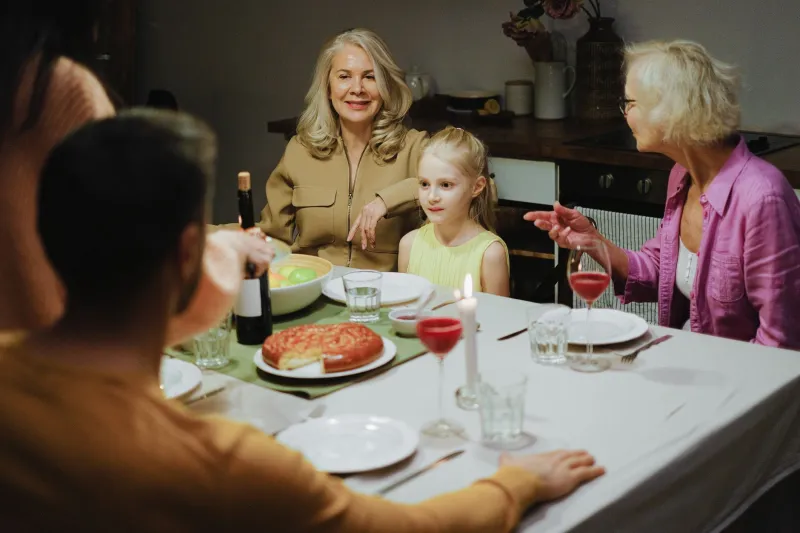
November has a way of pulling everyone closer to the lamp. The curtains are drawn by teatime, the kettle goes on more often, and suddenly there is room in the evening for a story that is not from a book at all. It is the story of the time Grandma got lost on a school trip, or the way Grandad's street smelled of coal smoke and chips, or the reason an aunt still refuses to eat rhubarb. These are the tales that float around families, half-remembered and rarely written down. With a phone, ten quiet minutes and a small toy horse, you can catch a few of them before they drift off.
Think of it as a bedtime switchboard. One call, one recording, one small story passed down the line. It does not need to be polished. In fact, the wobbles are often the best bits.
Why a voice beats a photograph
A photograph shows you what someone wore. A voice tells you how they laughed, where they paused, and which words they used for a sandwich or a brook or a woodlouse. For little children, that is gold. A recording of Nana saying her own mother's favourite phrase can become a familiar bedtime sound, as comforting as a lullaby. It also gives children a sense of family as something living and ongoing, not just a row of faces in an album.
This is not about creating a perfect oral history. It is about making a small, warm archive that belongs to your household. The goal is a handful of short recordings you can actually use at bedtime, not a sprawling project that gets abandoned by January.
Start with ten minutes and a phone
You do not need special equipment. The voice memo app on a phone is plenty. Sit in a quiet room, away from a humming fridge or a blaring telly. Put the phone on a table between you rather than holding it to your ear, and keep it about a hand's width from the speaker. Avoid speakerphone if you can, as it tends to make voices sound thin and far away.
Before you begin, ask if it is alright to record. Some people love the idea; others would rather talk while you scribble notes. Both are fine. If they are happy, press record, say the date and who is speaking, then let the conversation breathe. Do not worry about pauses. Do not rush to fill them. A slow start often leads to the good stuff.
When you finish, label the file straight away with the person's name and the topic. Send yourself a copy or drop it into a shared family folder. Phones get lost, and memory cards do not organise themselves.
Questions that open a door, not an interrogation
A long list of questions can feel like a job interview. Instead, choose three or four gentle prompts and see where they lead. Try these for size:
- What did your street sound like when you were little?
- What was a favourite tea in your house, and who made it?
- Who was your first friend, and what did you do together?
- Was there a shop, a park or a walk you loved as a child?
- What did your mum or dad say that you still hear in your head?
- What is a smell that takes you straight back?
Follow the tangents. If the answer to a question about school turns into a story about a dog that followed them home every day, wonderful. That dog is probably the bedtime tale.
Let the little red horse ask
This is where the toy horse earns its keep. Sit a small red horse on the table beside the phone. Explain that he is the family story horse, and he has come to listen. A child can be the one to press record, or to hold the horse, or to ask the first question in a very serious voice. Somehow, a toy makes the whole thing less like a formal interview and more like a game.
If you have a Little Red Horse at home, give him a job. He can be the keeper of the recordings, the one who chooses which story gets told at bedtime. A child might draw a little stable on a label for the folder, or decide that the horse only likes stories with animals in them. This small bit of theatre helps children feel like participants rather than spectators. They are not just listening to old memories. They are collecting them.
Turning a ramble into a bedtime tale
Once you have a recording, do not simply play the whole thing at bedtime. Ten minutes of chat can be lovely for adults and too long for a tired four-year-old. Instead, listen back and pick out one small arc. Maybe it is the evening Grandpa's bike got a puncture and he walked home past the bakery. Maybe it is the day Great-Auntie Joan wore her coat inside out to church. Trim it to two or three minutes, or retell it in your own words with the recording playing softly underneath.
You can add a simple opening and closing. Begin with something like: This is a story from when Grandma was small. End with: And that is how the horse heard it. Children love repetition, so use the same phrases each time. The recording becomes the seed; your voice becomes the bedtime telling.
A living archive, not a museum piece
Family history can feel dusty if it is kept behind glass. The point of this project is to keep it in the everyday. Play a recording while you are making dinner. Let a child hear their grandad's accent while they draw. Add a new story every few weeks, perhaps on a Sunday afternoon call. Over time you will build a little library of voices that can be dipped into on dark evenings, long car journeys or poorly days on the sofa.
And if a relative is shy, do not push. A written note, a voice message or a drawing they make for the child can all join the collection. The switchboard works best when everyone is comfortable.
The smallest ritual
Tonight, if the rain is tapping the window and the little one is already in pyjamas, try this: phone on the table, red horse in position, one question. Record the answer. Then turn the recording into a two-minute bedtime story, with the horse listening from the pillow. It will not be perfect. It might be full of ums and pauses and a dog barking in the background. That is exactly what makes it yours. And somewhere in that small, imperfect recording is the beginning of a story your child will one day tell about you.